
The silence in Quixote Studios’ Los Angeles facilities speaks louder than any press release. Desks cleared, equipment packed, and 70 professionals abruptly out of work—this isn’t just a corporate reshuffle. It’s a footprint of the broader contraction now reshaping Hollywood’s post-pandemic landscape. Quixote Studios, once a go-to post-production and virtual production hub for high-profile film and TV projects, is pulling back from Los Angeles entirely, citing a sustained production slump that’s eroded project pipelines and revenue. The move reflects more than internal strain—it mirrors systemic instability across the industry.
The Sudden Retreat from Los Angeles
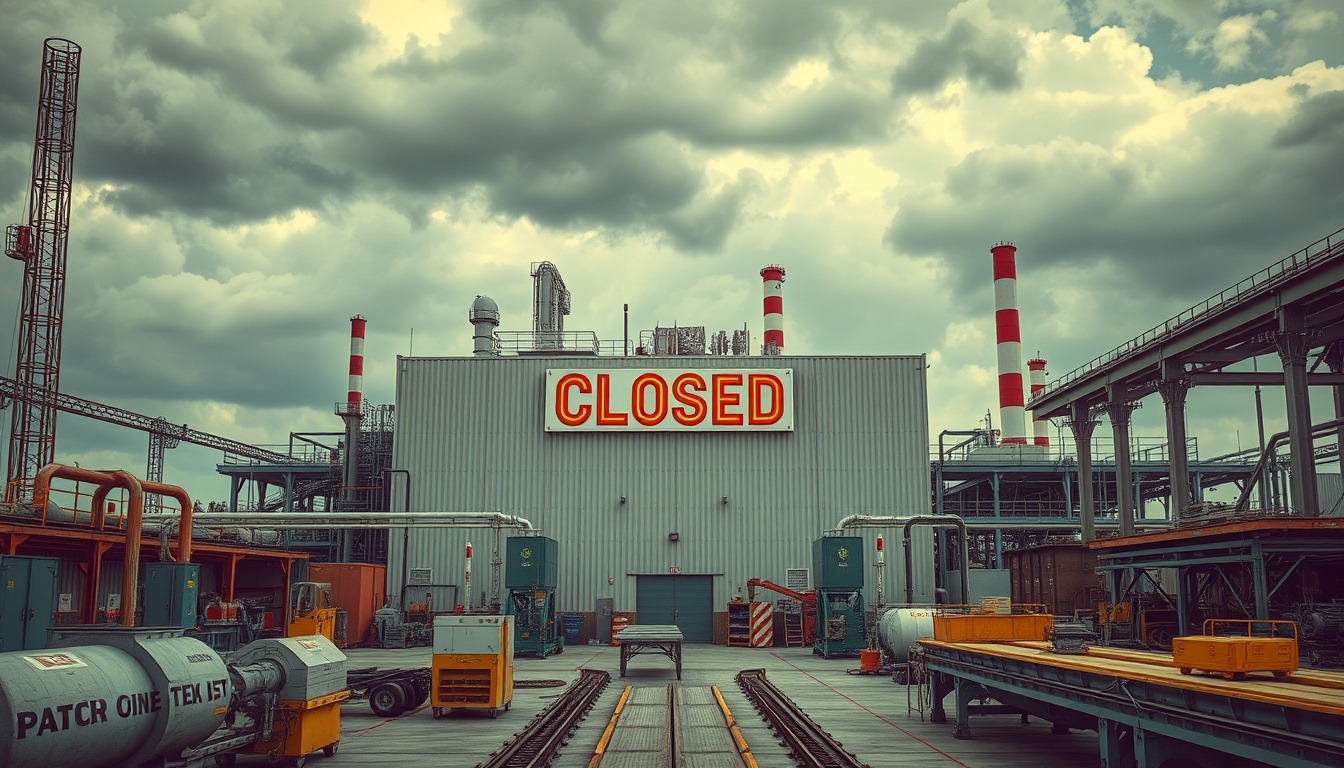
Quixote Studios confirmed it has laid off 70 employees across its LA locations and will no longer maintain physical operations in the city. The company operated key facilities in Culver City and Santa Monica—areas historically dense with creative infrastructure and talent. These spaces hosted virtual production stages, editorial suites, and color grading bays used by major studios and streamers alike. Now, they’re shuttering.
The decision to wind down LA operations wasn’t announced with fanfare. Sources indicate internal communications framed it as a strategic consolidation, driven by “project scarcity” and “unpredictable scheduling.” But the reality on the ground is starker: a sharp drop in active productions over the past 15 months has made sustaining large, fixed-cost facilities untenable. While Quixote retains a presence in New York and is exploring hybrid remote workflows, its retreat from LA marks a symbolic retreat from the traditional epicenter of American media production.
Why 70 Jobs Were Cut—And What It Signals
Losing 70 roles is not just a number—it’s a workforce-sized cut that reverberates through departments. Affected positions spanned technical, creative, and operational roles: virtual production technicians, VFX supervisors, post-production coordinators, and support staff. These weren’t entry-level hires; many had years of tenure and specialized skills in real-time rendering, LED volume operation, and Dolby Atmos mixing.
The layoffs point to a critical shift: even studios with cutting-edge tech and client relationships aren’t immune to the current drought. Projects that once kept Quixote’s pipeline full—mid-budget streaming series, feature films, and branded content—have either been delayed, canceled, or moved offshore. With fewer greenlights, studios aren’t booking stages months in advance like they did pre-2023. That volatility kills predictability, and without predictability, high-overhead operations collapse.
One senior editor, laid off in the round, shared anonymously: “We went from back-to-back shoots to sitting idle for six weeks. No one was booking stages. Clients were waiting to see if their projects would even get approved. When the work vanishes, the infrastructure becomes a liability.”
The Production Slump: Not Just a Blip
The term “production slump” is now industry shorthand for a complex, multi-layered crisis. It’s not merely fewer films being made—it’s a bottleneck at every stage: development, financing, and distribution.
Several forces converged:

- Post-strike delays: The 2023 WGA and SAG-AFTRA strikes halted production for nearly a year cumulatively, pushing release schedules into 2025 and freezing new greenlights.
- Streaming saturation: Platforms like Netflix and Amazon have shifted from content-spending sprees to profit-focused restraint. Netflix’s “Max” rebrand and content pruning in 2024 slashed budgets for non-franchise work.
- Investor pressure: Public scrutiny over ballooning content losses has forced studios to justify every dollar. High-cost virtual production setups, once hailed as the future, are now scrutinized for ROI.
- Offshoring and incentives: States like Georgia and New Mexico, along with countries like the UK and Canada, offer deeper tax rebates, pulling productions out of California.
Data supports this. According to the California Film Commission, film and TV production in the state fell 40% year-over-year in the first half of 2024. The “slump” isn’t speculative—it’s quantifiable, and it’s hitting service providers hardest.
Quixote, despite its innovation in virtual production, couldn’t outpace the market. Their tech was advanced, but tech alone can’t generate work that doesn’t exist.
Virtual Production’s Promise vs. Reality
Quixote Studios was among the early adopters of virtual production—using LED walls, Unreal Engine, and real-time compositing to replace green screens and location shoots. The model promised efficiency: shoot interiors with photorealistic backdrops, reduce travel, and compress post timelines.
For a moment, it worked. Quixote’s stages hosted major episodic TV, commercials, and even indie films betting on the tech’s cost-saving potential. But the model has limitations:
- High upfront costs: Building and maintaining LED volumes requires millions in investment.
- Specialized labor: Few crews can operate the full stack, driving up payroll.
- Project fit: Not every narrative benefits from virtual production. Period dramas, outdoor-heavy stories, and low-budget docs often don’t justify the expense.
When projects dried up, Quixote’s fixed costs became a weight. Unlike freelance-driven crews that can scale down, studios with leased spaces, full-time staff, and financed equipment can’t pivot overnight. The irony? The very innovation meant to future-proof Quixote may have hastened its retreat when demand fell.
Ripple Effects Across the Creative Ecosystem
Layoffs at a studio like Quixote don’t exist in isolation. They strain the entire freelance ecosystem. Sound designers who booked through Quixote, caterers servicing stage crews, equipment rental houses—all feel the pinch. One LA-based grip noted, “When a studio downsizes, it’s not just their staff. It’s the five vendors they used weekly. It’s the coffee shop downstairs. It’s a network unwinding.”
Moreover, talent migration is accelerating. Skilled post-production artists and technicians are relocating to hubs with active pipelines: Atlanta, Toronto, even Albuquerque. Some are shifting industries entirely, moving into gaming or enterprise AR/VR, where funding is more stable.
There’s also a psychological toll. “I’ve been in post for 18 years,” said a recently laid-off colorist. “I’ve seen slowdowns, but this feels different. There’s no clear end in sight. People are rethinking their entire careers.”
How Quixote’s Pivot Reflects Industry Adaptation
Quixote isn’t disappearing—it’s adapting. The company has emphasized its ongoing operations in New York, where production volumes remain relatively stronger, and hinted at a leaner, remote-first model for editorial and finishing services. They’re also exploring partnerships with international studios to service global clients without owning physical stages.
This hybrid approach may become the new norm. Rather than maintaining sprawling, capital-intensive facilities, studios are shifting to:
- Project-based staffing: Hiring talent per job, not on retainer.
- Cloud-based workflows: Using remote rendering, shared asset libraries, and collaborative tools like Frame.io or Blackbird.
- Modular stages: Renting space or partnering with third-party stage operators instead of owning infrastructure.
Quixote’s move from owned LA facilities to a distributed model mirrors a broader industry evolution: from fixed, centralized production to agile, scalable networks. It’s less romantic than the old studio system—but potentially more resilient.
What Other Studios Can Learn
The Quixote case is a cautionary blueprint for creative enterprises in volatile markets. Key lessons:
- Avoid over-reliance on one geography: Diversifying physical presence mitigates regional risk.
- Balance innovation with financial discipline: Cutting-edge tech must align with market demand.
- Build flexible staffing models: Overhead kills during downturns; nimble teams survive.
- Monitor pipeline health, not just current work: A full schedule today means little if no projects are greenlit for next quarter.
Studios that weathered the slump better—like Deluxe or Harbor Picture Company—did so by diversifying services, embracing remote tools early, and avoiding massive capital outlays during the 2021–2022 boom.
The Road Ahead for Hollywood’s Infrastructure
Quixote’s retreat from LA won’t be the last. Other post houses and stage operators are quietly reassessing their footprints. The era of unchecked expansion is over. In its place: consolidation, efficiency, and realism.
That doesn’t mean innovation stops. Virtual production, AI-assisted editing, and real-time VFX are still evolving. But adoption will be slower, more targeted, and tied directly to demonstrable ROI.
For workers, the path forward demands adaptability. Upskilling in cloud-based tools, remote collaboration platforms, and hybrid workflows isn’t optional. The studio of the future isn’t a building—it’s a network.
Quixote’s story isn’t one of failure. It’s a reflection of an industry recalibrating. The tools are still powerful. The talent is still deep. But the model has changed.
Closing: Adapt or Retreat
Quixote Studios’ layoffs and LA exit are symptoms of a broader transformation—one that values agility over scale, resilience over expansion. For studios and creatives alike, the imperative is clear: align operations with the new reality of sporadic production, distributed teams, and tighter budgets. The future belongs not to those with the biggest stages, but to those who can pivot fastest when the work vanishes. Build flexible systems. Embrace remote collaboration. Stay close to the pipeline. Because in today’s Hollywood, survival isn’t about who spends the most—it’s about who lasts the longest.
FAQ
What should you look for in Quixote Studios Cuts 70 Jobs, Exits LA Amid Production Downturn? Focus on relevance, practical value, and how well the solution matches real user intent.
Is Quixote Studios Cuts 70 Jobs, Exits LA Amid Production Downturn suitable for beginners? That depends on the workflow, but a clear step-by-step approach usually makes it easier to start.
How do you compare options around Quixote Studios Cuts 70 Jobs, Exits LA Amid Production Downturn? Compare features, trust signals, limitations, pricing, and ease of implementation.
What mistakes should you avoid? Avoid generic choices, weak validation, and decisions based only on marketing claims.
What is the next best step? Shortlist the most relevant options, validate them quickly, and refine from real-world results.